

Pf2
Signature
Nel
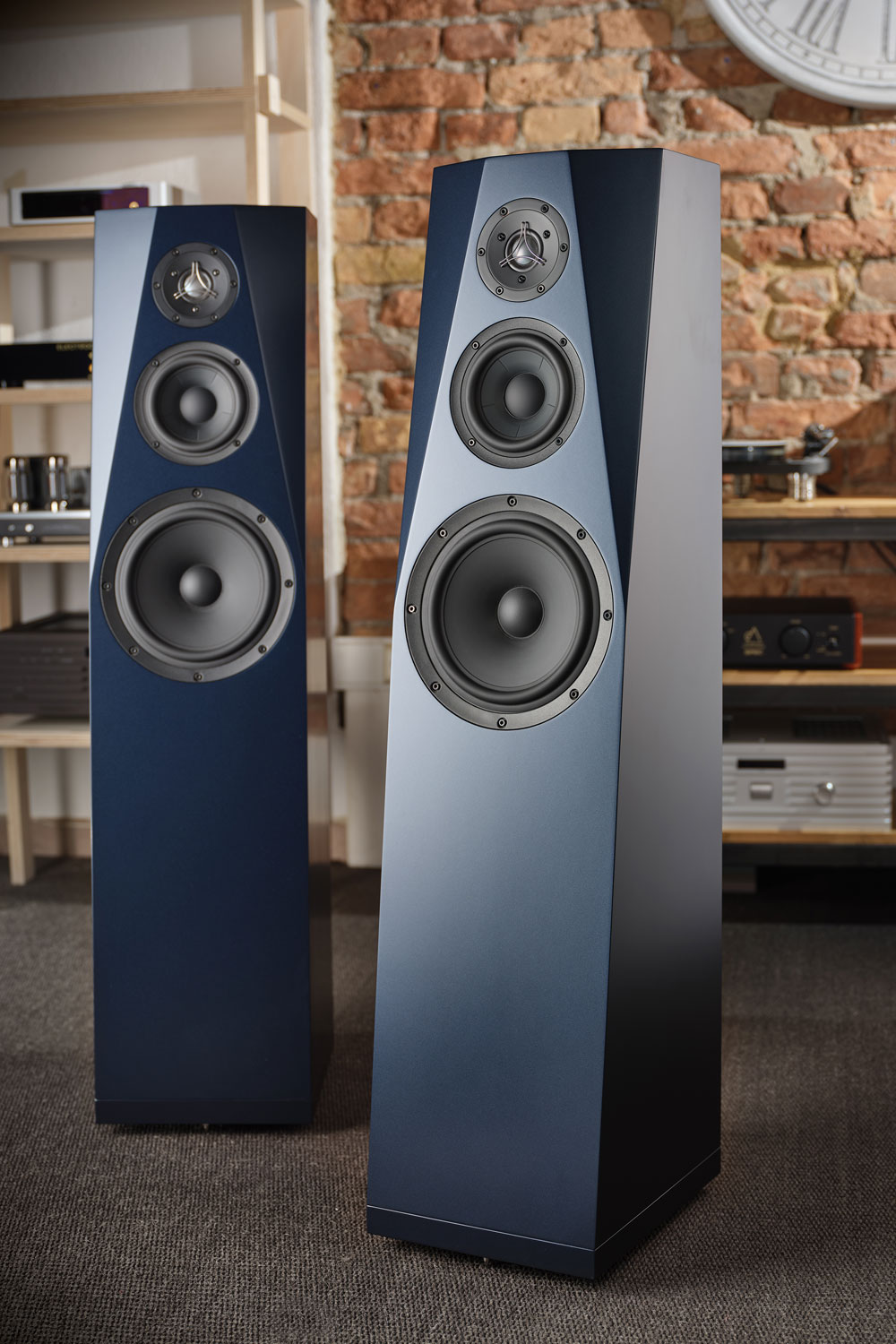
Nora
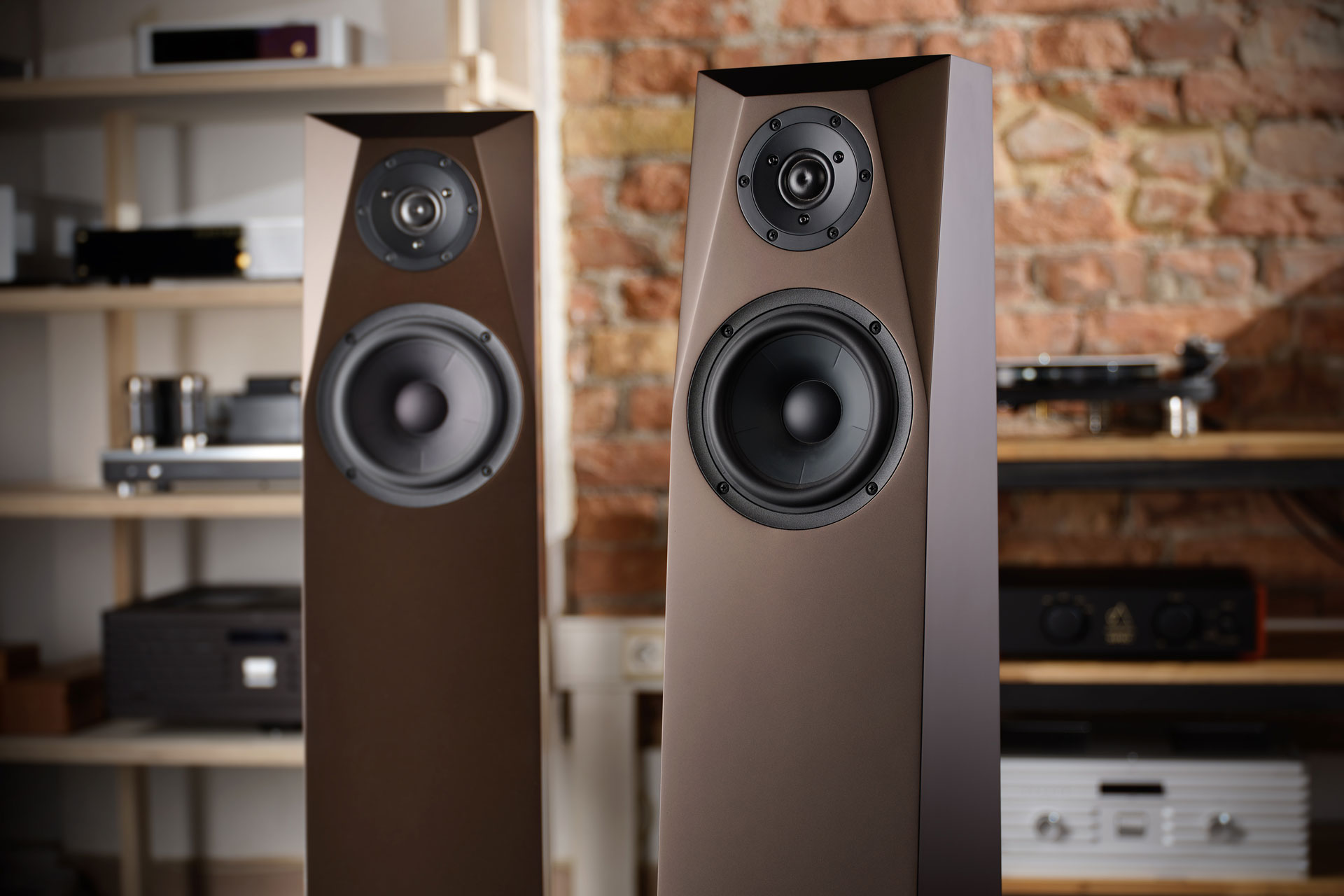
Joy
d'histoire
2013
Enceintes Compactes
2014
Projet T-ONE
2015
JOY
2016
Premières
sorties
publiques,
vince et Local
2017
Nel,
projet Alhena,
Inauguration du local
2018
Nel Ultime
et Nora
2020
2021
JOY Extrême
& Nel Extrême
2022
2023
2024
Joy
Des années
d’expérimentations acoustiques
et de perfectionnement technique
avant de créer ma première enceinte
en 2015.
les petits espaces
Conçue pour
un espace d’écoute
entre 15 et 25 m2.
grand spectacle
Lisibilité, plénitude
et profondeur à l’écoute.
très minutieuse
l’évent travaillé
optimise l’intégration
dans l’espace d’écoute.
Évolution
et Révolution
Nel
Une empreinte visuelle
discrète et élégante,
pour une intégration harmonieuse
dans votre intérieur.
et élégant
Idéale dans
des pièces
de 20 à 40 m2
Grand Spectacle
Forte densité
et présence supérieure.
Une mise au point
très minutieuse
Cohérence
évidente à l'écoute
Évolution
et Révolution
Nora
Elle est conçue
pour s’effacer devant la musique
et vous assurer un plaisir authentique,
intense sans fatigue auditive.
pièces de vie
conçue pour
des pièces d’écoute
de 35 à 70 m2
Force
et spontanéité
la technologie laisse
toute la place
à la musique
minutieuse
Conserver intacte
toute la vie
de la musique
Évolution
et Révolution
PF2 Signature
Transparence !
C’est la première chose qui frappe,
dès les toutes premières notes.
mise au point
d’exception
Performances affinées
sur tous
les aspects
Filtre passif
exclusif
au plus près possible
de la perception
des instruments
Évolution
et Révolution
F.A.Q.
Une sélections d'informations pour lesquelles nous sommes régulièrement sollicités...
Nous savons que chaque projet est unique, aussi n'hésitez pas à nous contacter pour des conseils personnalisés.
Les premiers critères en prendre en compte sont liés à la pièce d’écoute : surface et volume de la pièce, distance d’écoute, possibilité ou non d’éloigner les enceintes du mur arrière.
Joy est spécifiquement conçue pour les petits espaces (15 à 25 m2). NEL conviendra à des pièces plus grandes, entre 25 et 40 m2). Nora quand à elle demande à minima 40 m2 pour s’exprimer librement, et demande une distance d’écoute plus grande (3,80 m à 5 m).
Ces chiffres ne représentent pas un absolu, ils sont à moduler en fonction de la nature de la pièce d’écoute, de la manière dont elle est meublée/traitée, de la distance d’écoute. N’hésitez pas à nous solliciter pour vous conseiller au mieux en fonction de votre projet.
La conception générale est commune aux 2 modèles. Joy Extrême se positionne plus haut de gamme en ce qui concerne le tweeter, le câblage interne, les composants du filtre et les bornes HP. Le choix se fera en fonction de votre niveau d’exigence à l’écoute et aussi de votre budget.
Joy Extrême Evo se distinguera par son réalisme et son naturel, la richesse de ses timbres et la profondeur de sa scène sonore.
Point très important : le niveau de gamme des électroniques ainsi que des câbles associés devra être cohérent, si on veut obtenir un résultat d’écoute pertinent et naturel, avec le meilleur rapport prix/plaisir.
Un point de repère en termes de budget : L’amplificateur et la source devraient représenter chacun entre 50% et 120% du prix des enceintes en fonction du niveau de réalisme et de raffinement que vous recherchez et du potentiel de votre pièce d’écoute.
En ce qui concerne les câbles, l’amplitude des possibilités est énorme en termes de coût, c’est un point à travailler au cas par cas.
Nous pouvons vous conseiller en fonction de votre projet et de votre budget.
La conception générale est commune aux 3 modèles, le concept NEL ayant été pensé dès le départ pour un potentiel important d’évolution vers le très haut de gamme. Les évolutions entre chaque modèle concernent le tweeter, le câblage interne, les composants du filtre et les bornes HP. Le choix se fera en fonction de votre niveau d’exigence et aussi de votre budget.
L’évolution dans la gamme se caractérise par la progression notable du réalisme et du naturel de restitution, de même que la richesse de ses timbres et la profondeur de sa scène sonore.
Le niveau de gamme des électroniques ainsi que des câbles associés devra être adapté, si on veut obtenir un résultat cohérent et naturel. Un point de repère en termes de budget : L’amplificateur et la source devraient représenter chacun entre 50% et 120% du prix des enceintes en fonction du niveau de réalisme et de raffinement que vous recherchez et des qualités acoustiques de votre pièce d’écoute..
En ce qui concerne les câbles, l’amplitude des possibilités est énorme en termes de coût, c’est un point à travailler au cas par cas.
Nous pouvons vous conseiller en fonction de votre projet et de votre budget.
Les enceintes T&T sont conçues pour écouter tout type de musique. Notre credo, est que, n’ayant aucune référence indiscutable sur « la vérité » de la prestation de l’artiste lors de l’enregistrement, nous ne pouvons jamais affirmer que tel ou tel système détient la vérité. Donc, nous travaillons autrement : lors du développement, les enceintes sont sollicitées sur une très grande variété de morceaux, des grandes formations classiques, du lyrique, du jazz instrumental et vocal, de l’électro, du métal, du blues, du rock… L’idée est que tout doit passer de manière crédible, cohérente et intelligible, avec un grand confort d’écoute. Les enceintes T&T se seront donc pas particulièrement flatteuses sur tel ou tel morceaux, mais elles vous permettront d’explorer toute votre discothèque avec une restitution particulièrement fidèle au support écouté (CD, vinyle, fichier…)
Pour une image sonore optimale, les enceintes doivent être avancées par rapport au mur arrière et par rapport au meuble hifi si celui-ci est placé entre les enceintes. Plus il y aura d’espace, meilleure sera la scène sonore ! L’écartement des enceintes doit être du même ordre que la distance d’écoute, ou un peu inférieur.
A noter que plus les enceintes sont volumineuses, plus elles ont besoin de largeur pour que la scène sonore puisse s’exprimer librement.
En termes de pincement, les enceintes doivent être orientées vers l’auditeur avec un point de convergence situé environ 1 m derrière. Ceci est un point de départ et devra être affiné en fonction de la pièce, et notamment en fonction de l’espace disponible à droite et à gauche des enceintes. Plus les enceintes sont proches des murs latéraux, plus on devra les pincer pour s’affranchir autant que possible des premières réflexions sur les murs latéraux.
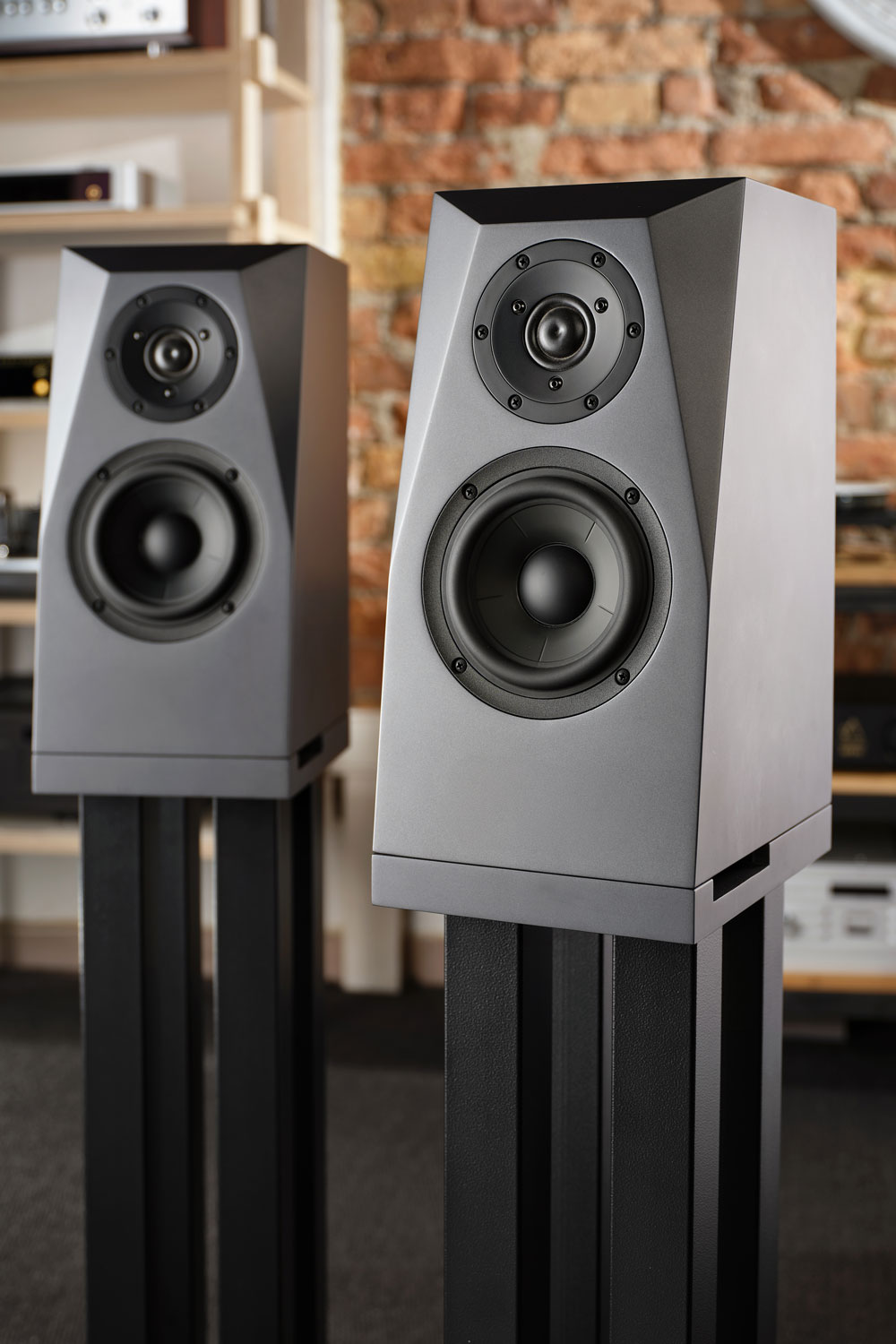
JOY Evo devra être posée sur un pied de hauteur de 60 cm environ. La qualité des pieds a une importance réelle sur la restitution : il doit être suffisamment inerte, rigide et être découplé du sol par des pointes par exemple. La base doit être très rigide et non résonnante.
N'hésitez-pas à nous solliciter pour des conseils personnalisés.
Oui il est possible de poser JOY sur un meuble. Les résultats seront cependant moins aboutis qu’avec un positionnement sur pieds. Pour un résultat satisfaisant, la surface d’appui doit être stable et rigide, non résonnante, et l’enceinte doit être suffisamment dégagée pour ne pas trop contraindre l’épanouissement de la scène sonore.
Il faut tout d’abord savoir que tous les fabricants n’utilisent pas le même protocole pour afficher la valeur de sensibilité. Les valeurs que nous communiquons sont des valeurs réellement mesurées à 1m. Chez certains fabricants, on trouve des mesures réalisées en champ relativement proche, extrapolées ensuite à 1m : cela donne une valeur qui ne tient pas compte de l’effet « saut de baffle » et donne une valeur affichée supérieure de plusieurs dB pour la même réalité physique.
Ensuite, il ne faut pas confondre sensibilité et dynamique : La dynamique dépend du choix des HP, de la conception générale, du schéma de filtrage, des composants choisis, de la nature de l’amortissement interne…
Les enceintes T&T sont conçues pour prélever le strict minimum d’énergie, afin d’assurer ouverture et respect de la plage dynamique.
Donc au final, il n’y a pas besoin de centaines de watts, même si la capacité en courant de l’amplificateur reste importante dans tous les cas, afin de suivre le plus fidèlement possible les écarts dynamiques les plus importants.
La conception des enceintes T&T a pris en compte de manière très sérieuse l’impédance vue de l’amplificateur : elle est notamment corrigée dans la zone médium afin de ne pas imposer des variations brutales de niveau et de phase à l’amplificateur.
L’impédance normalisée des enceintes est de 4 ohms (sauf PF2 qui est en 8 ohms), elle ne pose pas de contraintes particulière à l’amplificateur. Il faut cependant une capacité en courant suffisante pour que les enceintes s’expriment pleinement.
Concernant Joy et Nel, un bon intégré de 2 x 50 w peut parfaitement convenir, s’il n’est pas bridé en courant. Il n’y a pas de préconisation concernant la technologie de l’amplificateur, c’est au gout de chacun. Le facteur d’amortissement influera de manière sensible sur le contrôle du grave, sur sa précision et aussi sur son ampleur. Plus on souhaite écouter fort dans une grande pièce, plus la capacité en courant de l’amplificateur et son facteur d’amortissement seront importants.
Nous pouvons vous conseiller suivant votre configuration de pièce et vos préférences d‘écoute.
En ce qui concerne Nora, le diamètre supérieur des haut-parleurs, ainsi que la configuration 3 voies, plus énergivore, exigent une capacité supérieure en courant instantané. De même l’énergie dans le grave étant supérieure, le facteur d’amortissement aura un impact plus important sur le rendu qu’avec les configurations 2 voies.
Les enceintes T&T sont développées avec les câbles Absolue Creations, et la marque normande est aussi présente en câblage interne dans la majorité des modèles. Le choix de la marque Absolue Creations pour câbler l’ensemble du système est donc logiquement un choix sûr en termes de cohérence et d’optimisation de la performance.
Il n’y a pour autant aucune contre-indication à travailler avec d’autres marques, même si des essais préalables sont très fortement conseillés, au vu de la grande disparité des rendus sonores proposés par les différents fabricants. Nous partons du principe que les câbles sont un maillon à part entière du système, au même titre que la source ou l’amplification : c’est donc un aspect du système à considérer très sérieusement.